
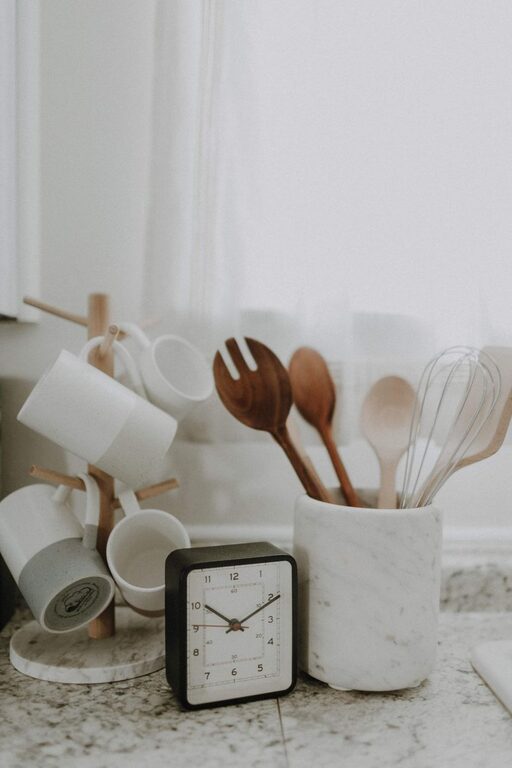
Having clutter-free kitchen counters can transform your cooking space, making it not only more attractive but also more functional. When countertops are clear, you have more room to prepare meals, and cleaning becomes easier. If you often find your kitchen counters overwhelmed with appliances, utensils, and miscellaneous items, this guide will help you regain control. Here’s how to make your kitchen counters clutter-free with practical steps anyone can follow.
Why Keep Kitchen Counters Clutter-Free?
Before diving into the steps, it’s helpful to understand why maintaining clear countertops matters:
– Enhanced Functionality: Extra space means you can cook and prep food more comfortably.
– Easier Cleaning: Fewer items mean fewer obstacles and less dust and grime buildup.
– Improved Aesthetics: A tidy kitchen looks welcoming and well-maintained.
– Reduced Stress: Clutter can cause mental fatigue; a clean space promotes calm.
Step 1: Assess and Declutter Your Counters
Start by taking everything off your countertops. This “blank slate” approach helps you see exactly what you have out and decide what stays.
Sort Items into Categories
– Daily Use: Items you use every day, such as a coffee maker or toaster.
– Occasional Use: Things used weekly or less, like a blender or mixing bowls.
– Rare Use: Appliances or tools rarely used, like a bread maker or waffle iron.
– Non-Kitchen Items: Mail, keys, or miscellaneous items that don’t belong.
Decide What Belongs on the Counter
Only keep daily-use items on the counter. Everything else should find a home in cabinets, drawers, or pantry shelves.
Tips for Decluttering
– Donate or donate gently used gadgets you no longer need.
– Store rarely used appliances in cabinets or other storage areas.
– Remove non-kitchen items from this space entirely.
Step 2: Maximize Your Storage Solutions
Once you’ve pared down what stays on the counter, think about how to store the rest efficiently.
Use Vertical Space
Install shelves or hooks on walls near counters for storing frequently used items.
– Spice racks
– Hanging utensil holders
– Magnetic knife strips
Organize Cabinets and Drawers
Invest in drawer dividers, pull-out shelves, or lazy Susans to keep items accessible but off the counters.
Use Storage Containers
Clear containers or labeled baskets inside cabinets help keep smaller items organized and easy to find.
Step 3: Designate Zones on Your Countertop
Creating zones helps keep counters less cluttered by giving each item a specific spot.
Common Zones to Consider
– Coffee/Tea Station: Keep your coffee maker, mugs, and supplies in one area.
– Prep Zone: Leave open space or keep cutting boards and knives ready.
– Cooking Station: Group frequently used appliances and utensils nearby.
– Cleaning Zone: Place soap dispensers and towels near the sink.
Avoid mixing items from different zones to reduce clutter.
Step 4: Keep Essentials Handy but Neat
Some items, like salt, pepper, and frequently used oils, are convenient to keep on the counter but can create clutter if not organized.
Use Containers and Trays
Gather these essentials in a small tray or container to keep them tidy and easy to move when cleaning.
Limit the Number of Items
Only keep the most frequently used essentials out. Store extras in the pantry or cabinet.
Step 5: Adopt Simple Daily Habits
Maintaining clutter-free counters requires consistent effort.
Daily Clean-Up
Spend a few minutes wiping the counters and putting items back in their designated spots.
Avoid Bringing Too Much to the Counter
When unpacking groceries, put items away immediately rather than letting them sit on counters.
Review Regularly
Periodically reassess your counters to remove items that have slowly accumulated.
Bonus Tips for Keeping Counters Clutter-Free
– Use Cordless Appliances: They’re easier to store and reduce tangled cords.
– Choose Multi-Functional Tools: Save space by selecting gadgets that serve multiple purposes.
– Limit Decorative Items: A few pieces can add charm, but too many create clutter.
Conclusion
A clutter-free kitchen counter is achievable with a little planning and consistent habits. By decluttering, maximizing storage, designating zones, organizing essentials, and maintaining daily routines, your kitchen will be both beautiful and efficient. Start small, be mindful of what you bring out, and enjoy the extra space and calm that comes with an organized cooking area.
