
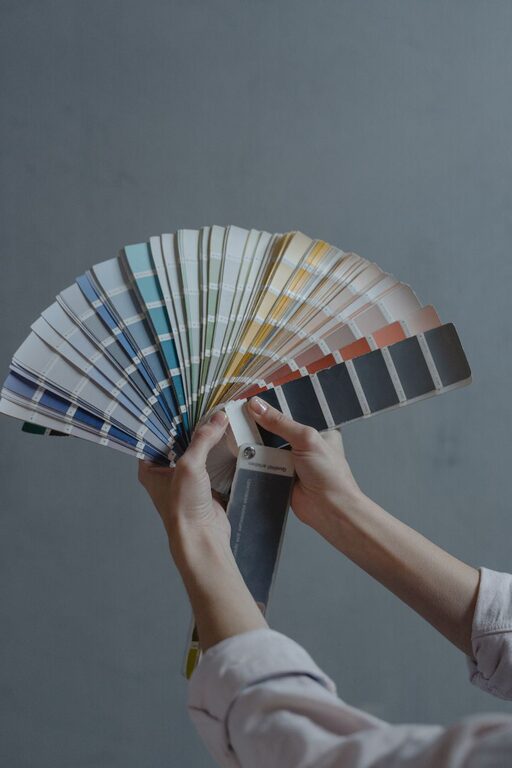
Creating a peaceful environment in your home starts with the colors you choose. Calm colors can help reduce stress, promote relaxation, and make your space feel welcoming and harmonious. If you’re planning to refresh your walls or redecorate, selecting the right hues is essential. This guide offers practical tips to help you choose calm colors that bring serenity and balance to your living space.
Why Choose Calm Colors for Your Home?
Colors have a strong impact on our mood and emotions. Calm colors—often soft, muted, or nature-inspired shades—can help create a soothing atmosphere. Whether it’s your living room, bedroom, or even kitchen, these colors encourage relaxation and peace, making your home a restful escape from the busy outside world.
Understanding Calm Colors
Calm colors are usually found in cool and neutral palettes. Here are a few common types:
– Soft blues: Evoke feelings of tranquility and can help reduce anxiety.
– Gentle greens: Remind us of nature and promote balance.
– Warm neutrals: Like beige, taupe, or soft gray, provide a cozy, inviting backdrop.
– Muted pastels: Subtle pinks, lavenders, and creams add a touch of softness without overwhelming the space.
Tips for Choosing Calm Colors
1. Consider the Room’s Purpose
Think about how you use the space:
– Bedroom: Opt for soft blues, gentle greens, or light neutrals to create a restful retreat.
– Living room: Warm neutrals or muted pastels promote comfort and social connection.
– Bathroom: Cool blues or seafoam greens can evoke cleanliness and calm.
Choose colors that support the room’s main function and your lifestyle.
2. Test Samples in Different Lighting
Light affects how colors appear. Paint swatches or sample cards are great tools to test your chosen colors. Observe them at different times of day—morning, afternoon, and evening—to see how natural and artificial light change the hue.
3. Use Monochromatic Palettes
Using variations of the same color can create a unified, peaceful look. For example, pairing light blue walls with navy cushions and sky-blue curtains can add depth without visual clutter.
4. Balance with Contrast and Texture
Even calm colors benefit from small contrasts to avoid dullness. Pair soft wall colors with natural wood furniture, textured fabrics, or simple patterns to keep the space interesting.
5. Stick to Matte or Satin Finishes
Glossy or shiny finishes reflect more light, which can feel busy or distracting. Matte or satin paints give a smoother, more muted look that suits calm colors perfectly.
6. Consider the Size of Your Space
Light calm colors can make small rooms feel larger and more open. Darker calm tones, like muted greens or grays, work well in larger spaces or as accent walls to add coziness without overwhelming.
7. Incorporate Natural Elements
Colors inspired by nature often feel the most calming. Think about colors drawn from sand, sky, water, stones, or plants. Bring these colors inside with paint or accessories to enhance your home’s peaceful vibe.
Common Mistakes to Avoid
– Choosing colors that are too bright or intense: These can create energy rather than calm.
– Ignoring undertones: Some colors have warm or cool undertones that may affect how “calm” they feel. For example, a blue with purple undertones can feel cooler and more restful, while one with green undertones may feel fresher but less soothing.
– Overusing white: While white is clean and simple, too much can feel sterile rather than calming. Pair white walls with soft color accents for warmth.
Calming Color Combinations to Consider
– Blue and soft gray: A classic combo that promotes serenity and sophistication.
– Green and beige: Brings warmth and connection to nature.
– Lavender and cream: Adds softness and a gentle touch of color.
– Pale pink and light taupe: Creates an inviting, cozy atmosphere.
Final Thoughts
Choosing calm colors for your home is about creating a space where you feel relaxed and at ease. Take your time, test different shades, and remember that the right colors depend on your personal tastes as well as the ambiance you want to create. With these tips, you can design a home that truly feels like a peaceful sanctuary.
